

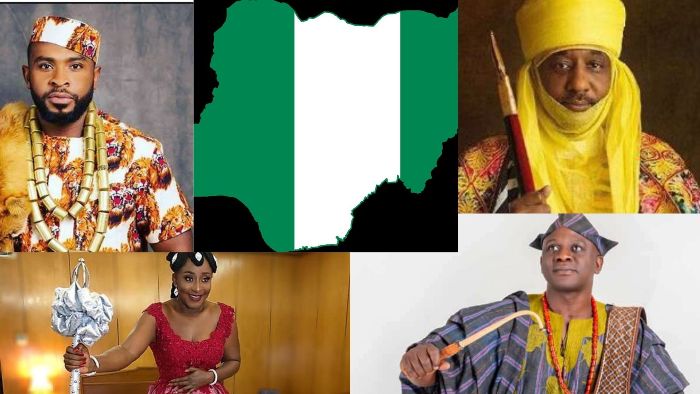
Culture is the way of the people. Due to relocation, migration and civilization, many people have lost their various cultures in Nigeria. Culture preserves heritage. Nigerian heritage has been passed down by many generations before us. Without culture and its various elements such as dressing, language, tribal marks, food, behaviour, etc, there will be no heritage to show the world the people’s roots.
Nigerian ancestors in the older generations did well to pass down such heritage through oral traditions and symbolic festivals.
Nigeria’s multi-ethnicity leaves us with a lot to show off, from masquerades to shrines and natural features that are symbolic of our culture.
Nigeria has a lot to gain if she can invest in culture for the purpose of growing our tourist attractions and consequently its revenue from tourism.
Culture can create a vent for stress relief through the recreational activities it brings during festivals. After having a hectic farming year, the new yam festival for instance is something that can help a yam farmer, his family, and friends, relax.
Wrestling matches for males and dance competitions for young girls are not only recreational, but it also makes for fitness because it is a form of exercise.
This magazine will be showcasing different aspects of culture and their values as practiced by different tribes and people in the country. We present the summary of the major culture in this edition.
EFIK-IBIBIO CULTURE
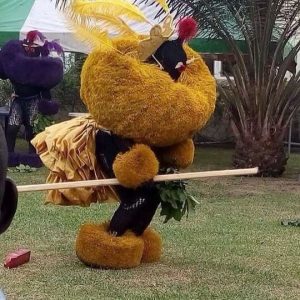

Efik Ibibio has a significant influence on the Southern Part of Nigeria. The representatives of this culture speak their language, as well as English. The culture is associated with the lion which is the symbol of this culture.
There is a secret society, called the Ekpe (translated into English as “Lion”) that protects the culture. This society elaborated on the system of symbols called Nsibidi. The system was transferred to the contemporary generation’s ancient knowledge, and many of the symbols are even taught at school to children.
People of Efik-Ibibio culture eat such dishes as Afañg soup, Edikang Ikong soup, pepper soup, Ukwoho, Atama, Eritan, etc. Many recipes are made of vegetables. The many beautiful cultures of this area shall be segmented in subsequent editions.
HAUSA-FULANI CULTURE
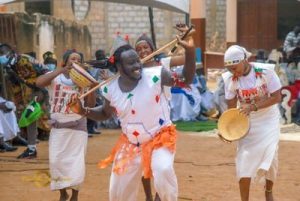

Fulani –Hausa culture is spread on the West and North of the country. The Muslim religion became the factor that united two similar (but still a bit different) cultures into one Hausa-Fulani Culture. Polygamy in the culture is allowed as well as divorce.
Music is a significant part of this culture and the people have a great heritage of work songs. They organize festivities in the centers of the towns and come to dance there. This magazine will segment many areas of this culture.
IGBO CULTURE
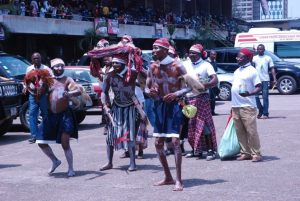

Igbo culture is notable trait in melodic music that was developed in the process of iron forging. The musical instruments of Igbo are opi, igba, and ichaka.
On the whole, the culture takes its origins from West Nigeria, and the Igbo music in the form of jazz mixed with traditional Igbo tunes was spread all around the world and was particularly popular in the 20th century.
Traditional Nigerian art is represented in Igbo culture in abstract, colorful forms. The traditional Igbo religion is called Odinala or Omenala, but nowadays the majority of Igbos are Christians.
Harvesting of the yam is an essential tradition for Igbo culture. The people organize festivals and masquerades to celebrate the cultures. The most popular is the New Yam festival. We shall talk more of the cultures of this people in subsequent editions.
BINI/EDO CULTURE
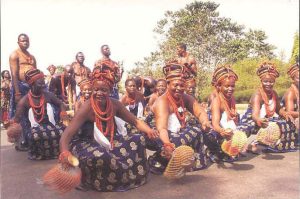

Majority of indigenes of Bini culture are situated in Edo State but are spread across the Delta, Ondo, and Rivers states of Nigeria.
Among preferable foods of Bini (or Edo) culture are soups: melon or okra soups cooked with bush meat or fish; pounded yam and rice. People of this culture are religious and believe in the existence of two worlds: the visible world called ‘agbon’ and the spiritual world called ‘erinmwin.’
Their religion is quite interesting and very philosophical. They believe that the creator of these worlds is Osanobua (God Almighty). The people of this culture also believe in the series of fourteen reincarnations. After the fourteenth reincarnation, each soul has to tell Osanubua his or her life plan to define his or her destiny. We shall have more of these in subsequent editions.
YORUBA CULTURE
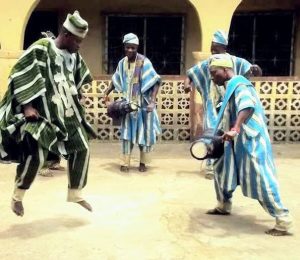

Yoruba culture is in the West of Nigeria. It is famous for its works of bronze and sculptures. In Yoruba culture, particular attention is given to names. For example, the name of a new born child strictly depends on the history of the family and ancestors, so family traditions are strictly preserved.
People of this culture eat moin-moin (steamed bean pudding), soups like ewedu, gbegiri, okra, egusi, and efo riro. The women can boast the full range of textile not only for festivities but also for everyday life. Yoruba people believe in reincarnation and pray for the essential goods in life, majorly, wealth, children, and immortality.


