Despite the poor economic situations in many African countries, there are very rich tribes that are outstanding in human and material development. Africa, the land of the black man and black soil is rich in human and agricultural resources. While most of the richest ethnic groups initially built their wealth from agriculture, they also have the foresight to dance with the global economy. Their wealth is a testament to the strong adaptable African spirit.
Among the over 3000 tribes in the 54 African countries, we present the five richest tribes. They have shown to be prosperous in various areas of endeavour.
Due to their financial intelligence and impressive financial acumen, these tribes have surpassed the challenges of their background and risen as the most affluent tribes in Africa.
Igbo Tribe

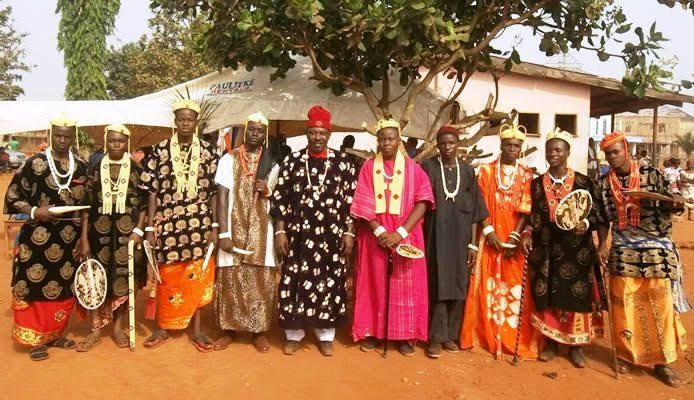
Igbo tribe located in the Eastern part of Nigeria is renowned for their rich cultural heritage, is the richest African tribe. The Igbo people are celebrated for their entrepreneurial spirit. It has been the driving force behind their financial prosperity. From small-scale local businesses to international trade networks, the Igbo have demonstrated a remarkable ability to create and sustain economic ventures.
A significant aspect of the Igbo wealth is their historical involvement in trade and commerce. Cities like Aba are their manufacturing sites while Markets like the Onitsha Main Market serve as vibrant hubs where goods and services flow, contributing to the overall economic vitality of the tribe.
Furthermore, the mentorship system, popularly called ‘boy-boy’ helps the clan groom and establish young business men.
Another admirable trait that has helped the Igbo people is their remarkable ability to adapt to the changing economy. This adaptability, coupled with a culture of innovation, positions them to seize new opportunities and navigate challenges in an ever-evolving global economy. It is said that anywhere an Igbo man could not live and prosper will not be habitable for any other human being in the world.
Yoruba Tribe
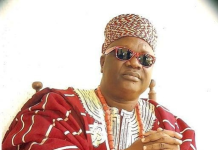
While the Igbo people are the powerhouse of Southeast Nigeria, the Yoruba tribe is the richest nation in the Southwest Nigeria. Widely known for its colourful festivals and ancient traditions, this is a community that has mastered the delicate dance of economic prosperity.
Originally the Yoruba people were adept traders and merchants. Their geographical location supported their commercial activities. Situated at the crossroads of key coastal trade routes, cities like Lagos, Ile-Ife and Oyo became economic hubs, showcasing the Yoruba knack for trade and the accumulation of wealth through commerce.
Before the onset of modernization and even now, agriculture, with its emphasis on crops like cassava, yams, and cocoa, has been a source of sustenance and financial wealth to the Yoruba tribe. Their agricultural activities not only feed the community but also contribute significantly to the region’s economic prosperity.
The artistic expressions of Adire textile production and the intricate bronze casting of Ife are also lucrative industries in the Yoruba tribe. Adire are textile materials soaked in dye to produce vibrantly designed materials. These endeavours display an admirable tendency to turn creativity into financial gain.
Diversity is synonymous with the Southwestern tribe of Nigeria and even their wealth attests to it. The embrace of modern ventures, from technology startups to diverse business enterprises, reflects an adaptability that ensures the continuity of financial wealth. The Yoruba tribe navigates the currents of change, integrating traditional wisdom with contemporary opportunities.
Zulu Tribe
In the heart of southern Africa, the Zulu tribe’s legacy extends far beyond the echoes of historic battles and the iconic warrior spirit. Apart from this, they are also economically wealthy.
Members of this tribe are exceptional cattle rearers. More than mere livestock, cattle are a form of currency, a measure of wealth, and a source of sustenance. The skillful management of Zulu cattle herds is not only a testament to their agricultural acumen but also a key pillar of their financial wealth.
Africa is known for its artistic wonders. One of the tribes responsible for this reputation is the Zulu tribe. From intricately beaded jewelry to masterful woodwork, Zulu artisans transform traditional skills into sources of income. The vibrant markets of KwaZulu-Natal showcase a thriving economy driven by the creativity and craftsmanship of the Zulu people. With the increase in global impact and tourism, the Zulu people have capitalized on the allure of their traditions. Cultural tourism, from immersive village experiences to vibrant festivals, has become a source of economic growth.
Hausa Tribe
The Hausa tribe, located in the Northern part of Nigeria is well-known for their commercial spirit and business acumen. Centuries-old markets, such as Kano’s Kurmi Market, stand as bustling hubs where goods from across the region are exchanged.
From the cultivation of staple crops like millet and sorghum to the nurturing of cash crops such as groundnuts and cotton, the Hausa people have sustained themselves while actively participating in regional and international trade.
Ashanti Tribe

The Ashanti tribe is synonymous with Gold. Before the discovery of gold, its inhabitants were skilled merchants, farmers, and artisans. However, the development of gold mines boosted the wealth of the region.