
Lithium Discovered in Nigeria
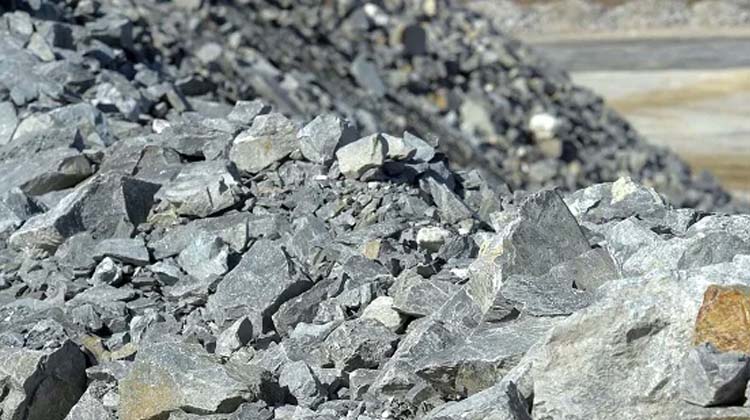
Nigeria recently discovered large deposits of lithium, an essential component for building batteries for electric cars, laptops and mobile devices. Elon Musk, CEO of Tesla, showed interest in signing a trade partnership with the Federal Government of Nigeria for the mining of lithium but Nigeria’s Minister of Mines and Steel Development, Olamilekan Adegbite, rejected the offer. The minister stated that Nigeria would only deal with Tesla if the company agreed to build its battery-making factories in Nigeria.
The price of lithium has risen from $6,000 per tonne in 2020 to $78,000 per tonne in 2022, and it is expected to be the most valuable mineral on earth by 2040. In addition, Nigeria’s lithium is high-grade. The Director-General of the Nigerian Geological Survey Agency, Dr Abdulrazaq Garba stated that “the standard worldwide for even exploration and mining starts from 0.4 per cent lithium oxide but when we started exploration and mining, we saw one per cent up to 13 per cent lithium oxide content.”
Like many jurisdictions, such as the UAE and Australia, the mining industry in Nigeria is regulated by the Federal Government. The government ministry tasked with this responsibility is the Ministry of Mines and Steel Development.
To protect its resources and regulate all aspects of exploration and exploitation of solid minerals in the country, the Nigerian government re-enacted the Nigerian Mineral and Mining Act in 2007. This Act vested ownership and control of all lands where minerals are found in commercial quantities in the Federal Government, thereby prohibiting unauthorised persons from exploring and exploiting these mineral resources.
Energy transition has globally increased the focus on renewable sources of energy. Goal seven of the Sustainable Development Goals focuses on affordable and clean energy and, as a result, there has been an increase in demand for lithium batteries. The discovery of lithium will encourage foreign direct investment into Nigeria and provides an opportunity for Nigeria to:
- improve its gross domestic product;
- create employment;
- increase its foreign exchange earnings by exporting finished products;
- leverage the transfer of technology; and
- embrace the energy of the future.